The Future of Real Estate Photography: AI, Authenticity & Selling Homes in Columbus, GA
Real estate photography is changing.
When a buyer falls in love with a listing online and walks into a completely different reality at the showing, everyone loses. Welcome to the era of 'housefishing'.
Listing photos are getting brighter. Rooms are being virtually staged. Clutter can be removed with a few clicks. Skies can be replaced. Furniture can be added or removed. Images can be enhanced with artificial intelligence, and entire marketing packages can be created faster than ever.
So where does that leave the professional real estate photographer?
More importantly, where does it leave the buyer?
AI Isn't Coming for Real Estate Photography. It's Changing It.
In fact, AI can be an incredibly useful tool.
Modern editing software can help photographers correct difficult lighting, remove temporary distractions, improve color, and prepare photographs for different marketing platforms. Virtual staging can help an empty room communicate its potential to a buyer.
The problem begins when enhancement becomes misrepresentation.
There is a big difference between making a photograph look its best and making a property look like something it isn't.
That distinction is becoming increasingly important in real estate marketing.
The National Association of REALTORS® has recently highlighted the growing use of AI tools for everything from removing clutter and updating furniture to improving lighting and virtual staging. At the same time, industry professionals are warning against edits that could mislead buyers.
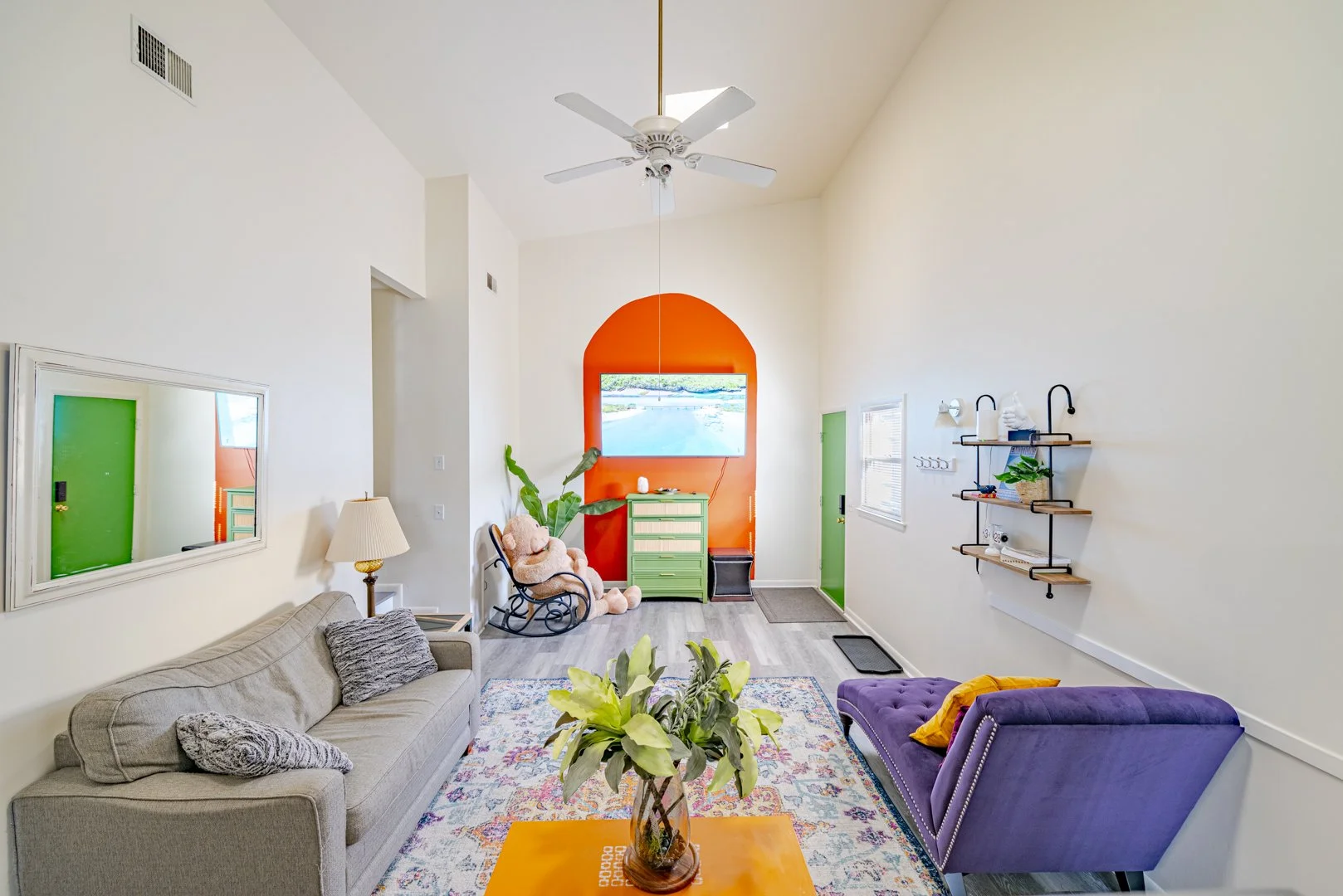
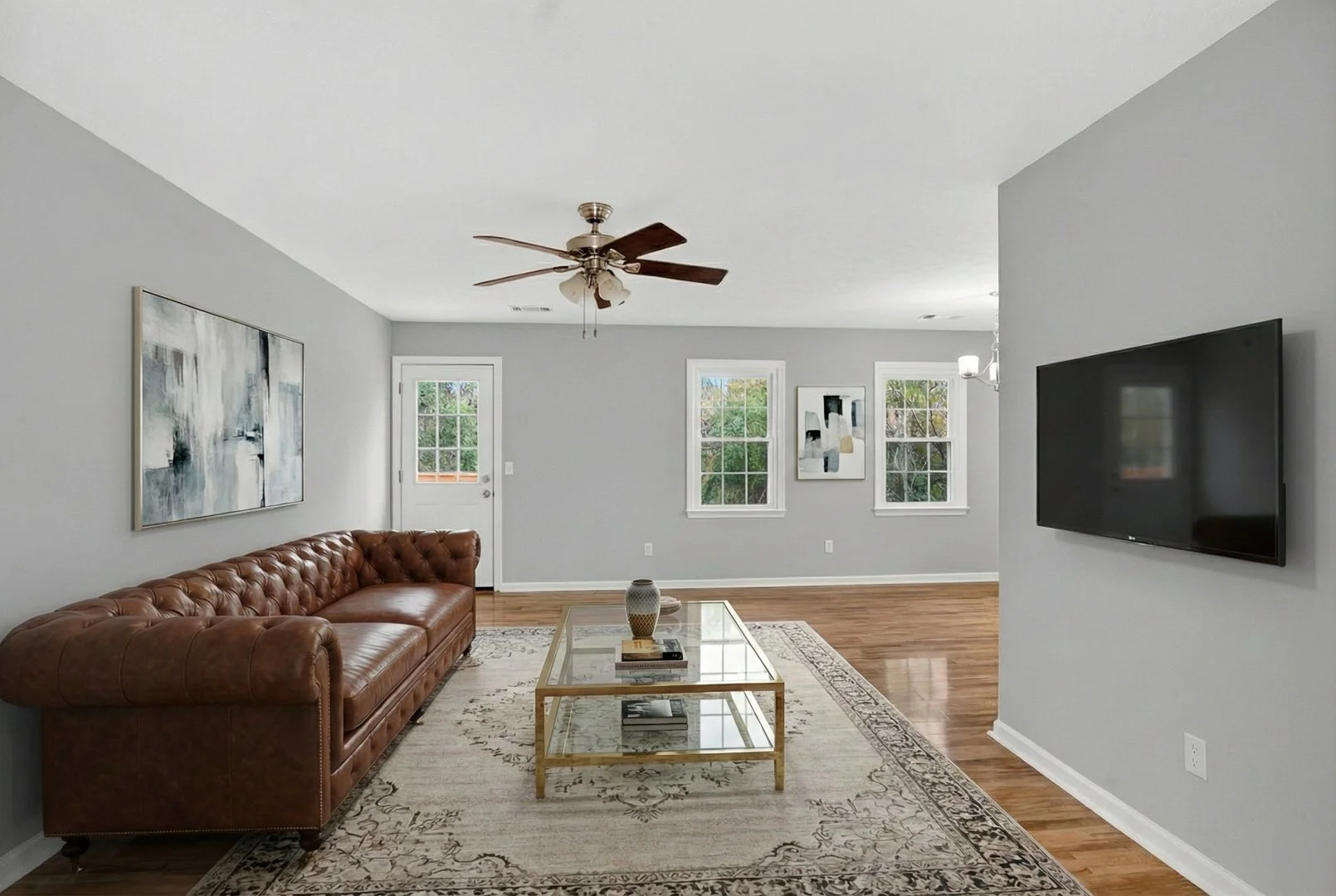
What Does This Mean for Columbus, GA Real Estate?
The Columbus, Georgia real estate market is not standing still.
Recent market data shows a median Columbus home sale price around $245,000, with prices up roughly 4.2% year over year. Homes were averaging about 29 days on the market in the latest Redfin data.
That means presentation still matters.
When a buyer scrolls through Zillow, Realtor.com, an MLS listing, or social media, the photographs are often the first impression they have of a property.
Before they read the description, look at the square footage, or schedule a showing, they see the pictures.
And that creates an interesting challenge.
How do you make a property look its best without making it look different?
That's where professional real estate photography still has tremendous value.
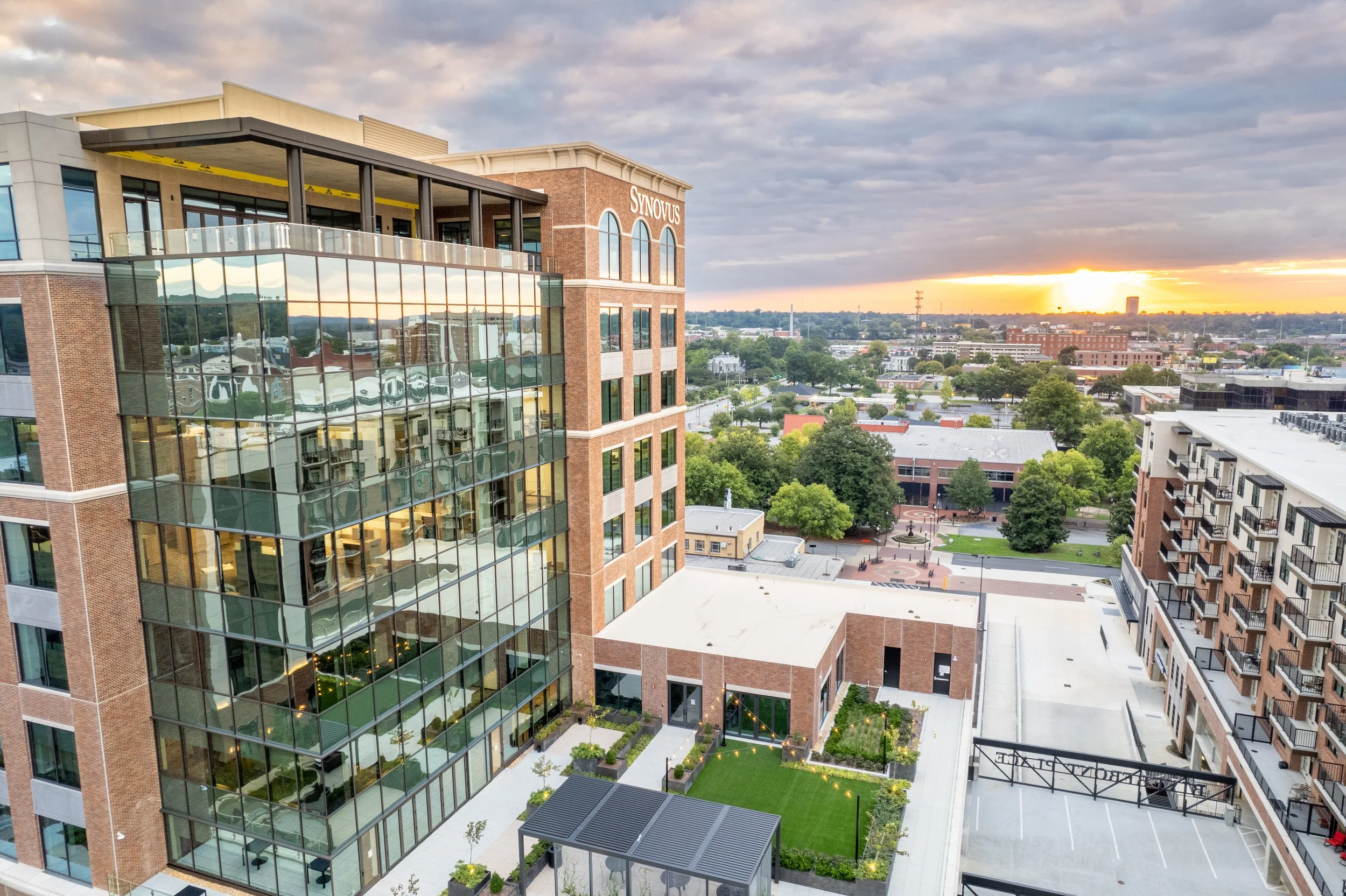
A Good Real Estate Photograph Isn't Supposed to Lie
The purpose of professional real estate photography isn't to make a $200,000 house look like a $700,000 house.
It's to show the $200,000 house in the best possible way.
That might mean photographing a room from the right angle.
It might mean waiting for better natural light.
It might mean using multiple exposures to properly balance bright windows and darker interiors.
It might mean moving furniture, turning on lights, opening blinds, or simply finding a better composition.
Those things aren't tricks.
They're photography.
A professional photographer isn't creating a different house. They're showing the house that is actually there.
That distinction is becoming more important as AI-generated and AI-enhanced imagery becomes easier to produce.
NAR's current Code of Ethics emphasizes that REALTORS® have an obligation to present a true picture in advertising, including Internet content and images, and specifically addresses misleading images and other deceptive presentation.
Where AI Can Help
AI isn't going away, and there's no reason it should.
Used responsibly, it can make a photographer's workflow better.
For example:
AI-assisted editing can help with difficult lighting and repetitive post-processing.
Virtual staging can help buyers visualize how an empty room might be furnished.
Object removal can sometimes eliminate temporary distractions such as cords, small pieces of clutter, or other items that don't represent a permanent characteristic of the property.
Image enhancement can help prepare photographs for websites, social media, and other digital platforms.
AI-assisted marketing can help agents create property descriptions, social media posts, and other promotional material more efficiently.
These tools can save time.
But they don't replace the most important part of the process:
Someone still has to photograph the property. (Me!)
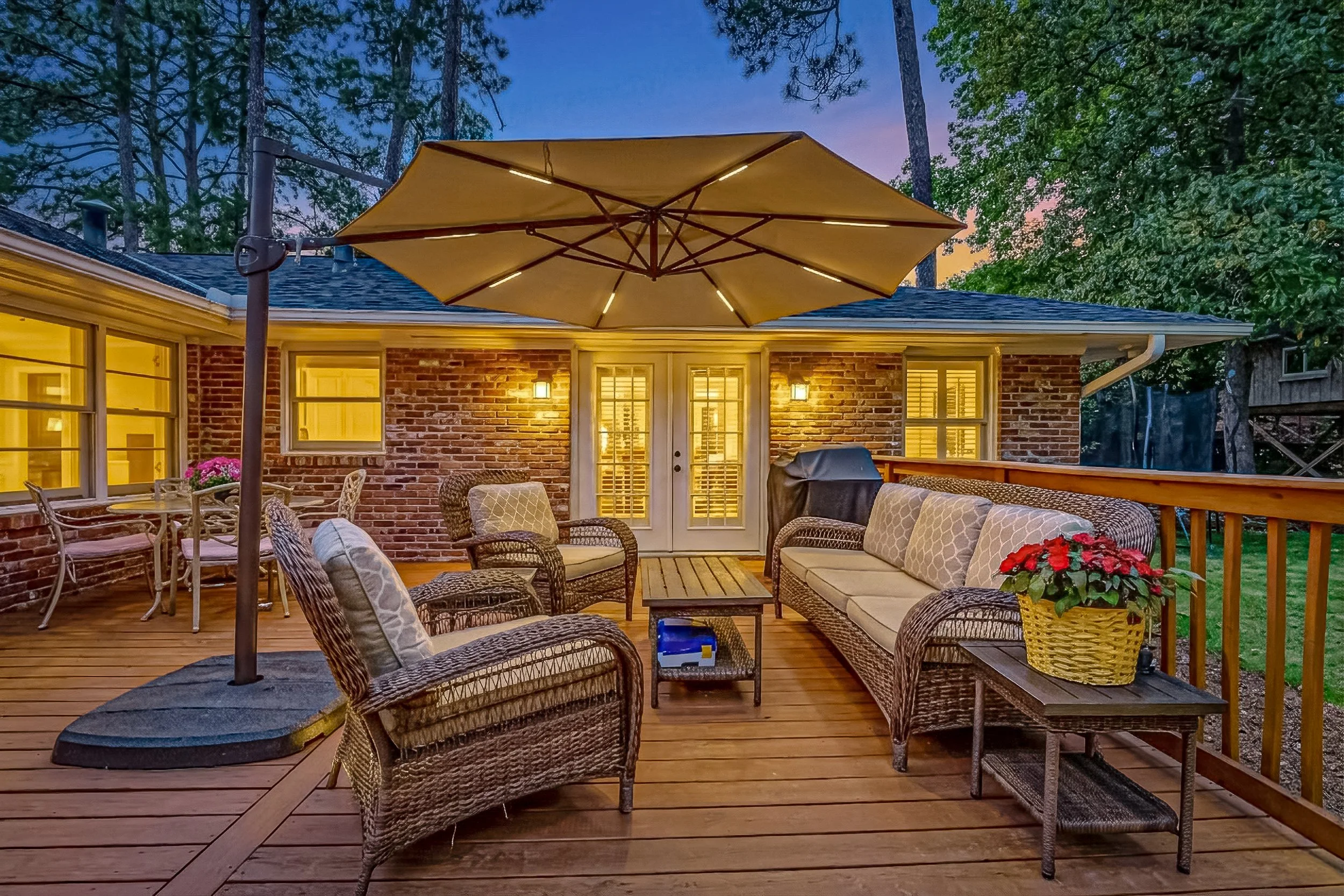
The Danger of "Housefishing"
There is already a growing conversation around buyers feeling "housefished" by listing photographs that look substantially better than the actual property.
In other words, a buyer sees one house online and walks into another one at the showing.
That's bad for everyone.
It's bad for the buyer.
It's bad for the seller.
It's bad for the agent.
And eventually, it's bad for the reputation of the photography industry.
NAR recently reported on this growing concern, including examples of buyers encountering properties that looked substantially different in person than they did in heavily enhanced listing photographs.
The goal of real estate photography should be to get people interested enough to schedule a showing.
What About Virtual Staging?
Virtual staging is probably one of the most interesting applications of AI in real estate marketing.
Imagine photographing an empty bedroom and creating several versions:
Modern bedroom
Traditional bedroom
Children's bedroom
Home office
Guest room
That can be extremely useful.
But there is an important distinction between:
"Here's what this room could look like."
and
"Here's what this room currently looks like."
Those are two different things.
When virtual furniture, remodeled finishes, or other significant visual changes are introduced, buyers should be able to understand that they're looking at a visualization rather than a photograph of the actual property.
Transparency protects everyone.
Why Professional Real Estate Photography Still Matters
Ironically, AI may actually make professional photography more valuable, not less.
Think about it.
If everyone has access to AI editing tools, editing itself becomes less of a competitive advantage.
The photograph becomes more important.
Composition matters.
Lighting matters.
Perspective matters.
Knowing how to photograph a small Columbus bungalow differently from a large home in North Columbus matters.
Knowing how to photograph an older home in Wynnton, a new construction property, a lake property, a rural property, or a commercial building matters.
And knowing what not to photograph can be just as important.
AI can manipulate pixels.
It doesn't walk through the house.
It doesn't notice the way afternoon light hits a living room.
It doesn't know that the backyard looks dramatically better from a slightly different angle.
It doesn't fly the drone over the property and recognize that the surrounding acreage, pond, neighborhood, or proximity to a major road is part of the story.
That's still the photographer's job.
The Rise of Drone Photography
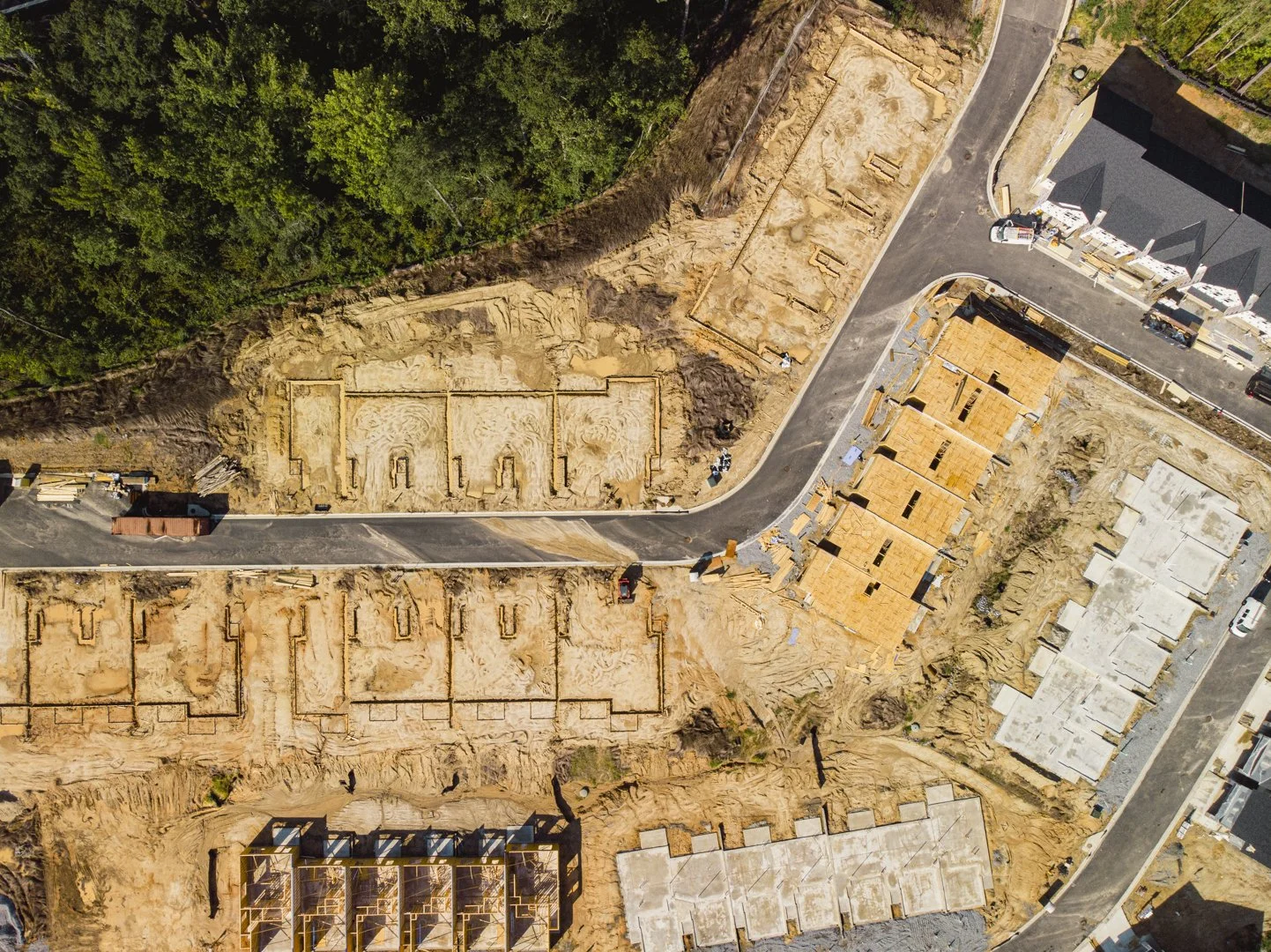
This is another area where real estate marketing is changing quickly.
Aerial photography can provide information that a ground-level photograph simply can't.
For properties around Columbus, Phenix City, Fort Moore, Harris County, Lee County, and the surrounding communities, drone photography can show:
Lot size and layout
Property boundaries
Acreage
Driveways and access
Pools and outdoor living areas
Detached buildings
Ponds and lakes
Neighboring properties
Roads and surrounding development
Rural property characteristics
Construction progress
Land and development potential
For some properties, the aerial view isn't just another pretty photograph; it's information.
And increasingly, real estate marketing is about giving buyers better information.
What I Think Real Estate Photography Should Look Like in 2026
At A Thousand Words, I believe the best real estate photography sits somewhere between beautiful and honest.
I want a listing to look great.
I want the colors to be right.
I want the rooms to feel inviting.
I want the exterior to look its best.
I want the drone photographs to show the property and its surroundings.
I want the photographs to work on the MLS, Zillow, Realtor.com, social media, and the agent's own marketing.
And yes, I use modern technology and AI-assisted tools where they make sense.
But the goal isn't to create a fantasy.
The goal is to tell the story of the property.
Because at the end of the day, that's what a good photograph has always done.
It tells a story.
And the best real estate photographs tell the truth while making people want to see more.
Looking for Real Estate Photography in Columbus, GA?
A Thousand Words provides professional real estate photography, aerial drone photography, and property marketing imagery for agents, brokers, builders, investors, and property owners throughout the Columbus, Georgia area and surrounding communities.
Serving Columbus, GA, Phenix City, AL, Auburn, AL, Harris County, Lee County, and surrounding areas.
Whether you're preparing a home for the MLS, marketing a luxury property, selling land, documenting new construction, or creating a social media campaign, professional photography can help your listing stand out.
Your property has a story. Let's photograph it.
Follow A Thousand Words for recent work and behind-the-scenes photography:
Instagram:@athou3andwords
Facebook:A Thousand Words Photography
Sources & Further Reading
The National Association of REALTORS® has published recent information about AI tools, virtual staging, and AI-enhanced real estate photography.
Current Columbus, GA housing-market statistics are available through Redfin and Zillow.
Google Search Central provides guidance on creating helpful, original content and using generative AI responsibly when creating website content.
